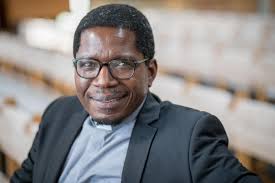
Ondřej Fischer, Ph.D., (1962) studied Theology and Philosophy in Charles University, Prague (Catholic Theological Faculty, Faculty of Arts, Protestant Theological Faculty (PTF), and in University of London (Heythrop College, Kings College). He is a Senior Lecturer at the Protestant Theological Faculty, where he got his Ph.D. (2018), and the Head of Department of Theology and Philosophy at Jabok College of Applied Social Studies. His research and teaching are based on the dialogue between these disciplines in relation to practice, particularly in Theological and Philosophical Anthropology in relation to Ethics of Social Work and Helping Professions. They are particularly related to Human Rights and to the concept of human dignity, which, along with ethical dilemmas in helping professions, form the centre of his teaching and research. Methodologically he draws upon hermeneutics of practical experience, which brings into a dialogue conceptual thinking (technical terms and concepts) and critical reflexive thinking (reflection of practice experience). His specific interest is in Professional Ethics as based on both critical views on the concept of professionality and on the active use of spirituality and vocation in theological and secular contexts. Ondřej Fischer is an institutional member of ReDi on behalf of PTF, which corresponds to his ongoing research interests in its close link between philosophy/theology and applied practical issues of social practice, with particular interest in Ethics, as it appears also in the reflection of diaconia theory and practice. In this he draws inspiration from practical issues with the emphasis on social/helping and medical/caring professions as affected by religion and culture. In particular, the theme of ethical dilemmas especially in the context of Christian Social Practice and the theme of Human Dignity in helping professions have become the focus of his research. Among others, he contributed to the research project of Charles University Centre of Excellence Theological Anthropology in Ecumenical Perspective and continues in this field with a similar grant specialised in intercultural approaches to anthropology.